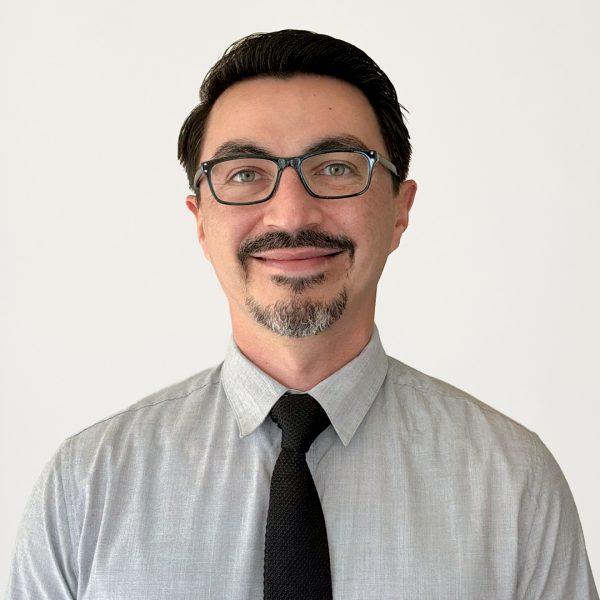














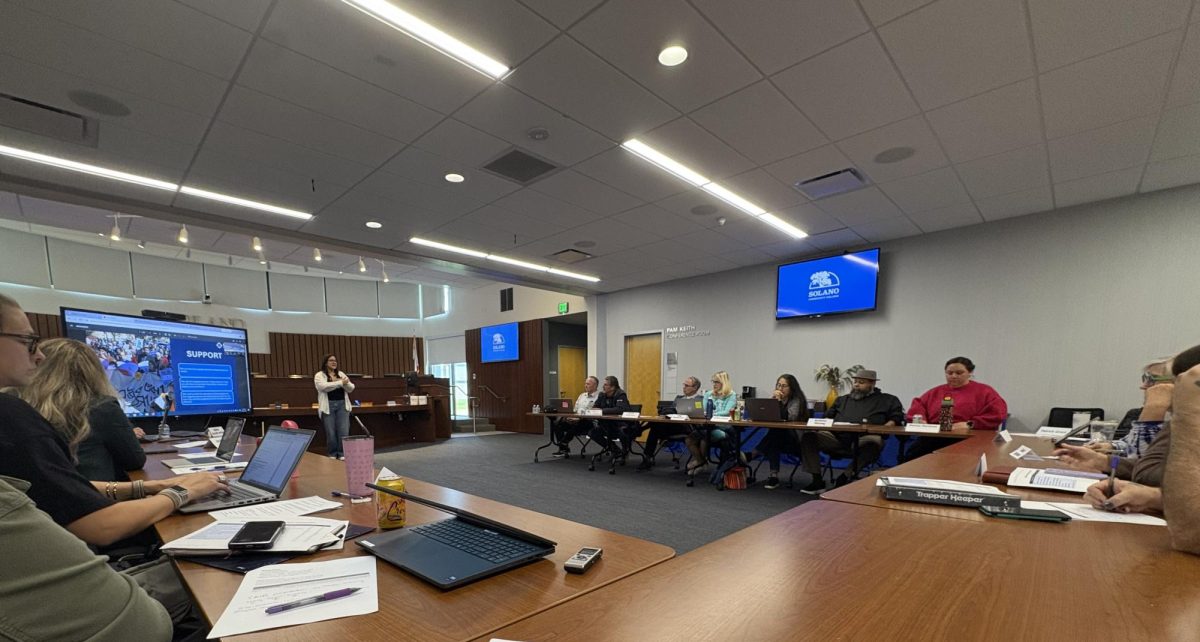


On April 8th, speaker Sandy Lamba gave a Leadership Development Workshop at Solano Community College (SCC) on financial literacy and building financial confidence. The event was cohosted by the Asian American Native Hawaiian Pacific Islander student organization. Lamba is the former Dean of Social & Behavioral Sciences at SCC, but has a masters degree in Business Administration.
AANHPI SAP member, Alexis Gode, said “I think he’s the perfect candidate to be having a talk like this. Lamba does have a master’s in business administration. He [also] retired early [in] his mid-50s and was talking about [how] nowadays he’s not even working.”
Lamba was only representing himself for the seminar, as if he were speaking with friends and family. His presentation was not part of any curriculum, rather his decades of experience building personal financial freedom.
“Money ultimately allows you to achieve your goals,” said Lamba. “So, whatever your goals are, money is a tool to allow you to achieve them. And it ultimately provides you with freedom as well.”
Some ways to have more money, according to Lamba, are to eliminate debt and build passive income.
Debt, for example, can come in the form of credit card debt. Credit card companies lend you money in the form of limits they allow you to use. If not paid back fully, then the remaining debt is owed, with added interest (around 27% of your debt is added). If you only pay monthly minimum payments, then clearing your debt will take longer and the interest compounds on top of what you borrowed.
Lamba adds, “you may or may not be surprised to know that on average, you pay back triple what you borrow. Credit card debt really boils down to spending money that you don’t have. You’re spending future money that you have not yet earned today.”
After you have earned active income from work, what are you spending your money on? We all have immediate expenses for food, shelter and healthcare. After that, Lamba warns of overspending.
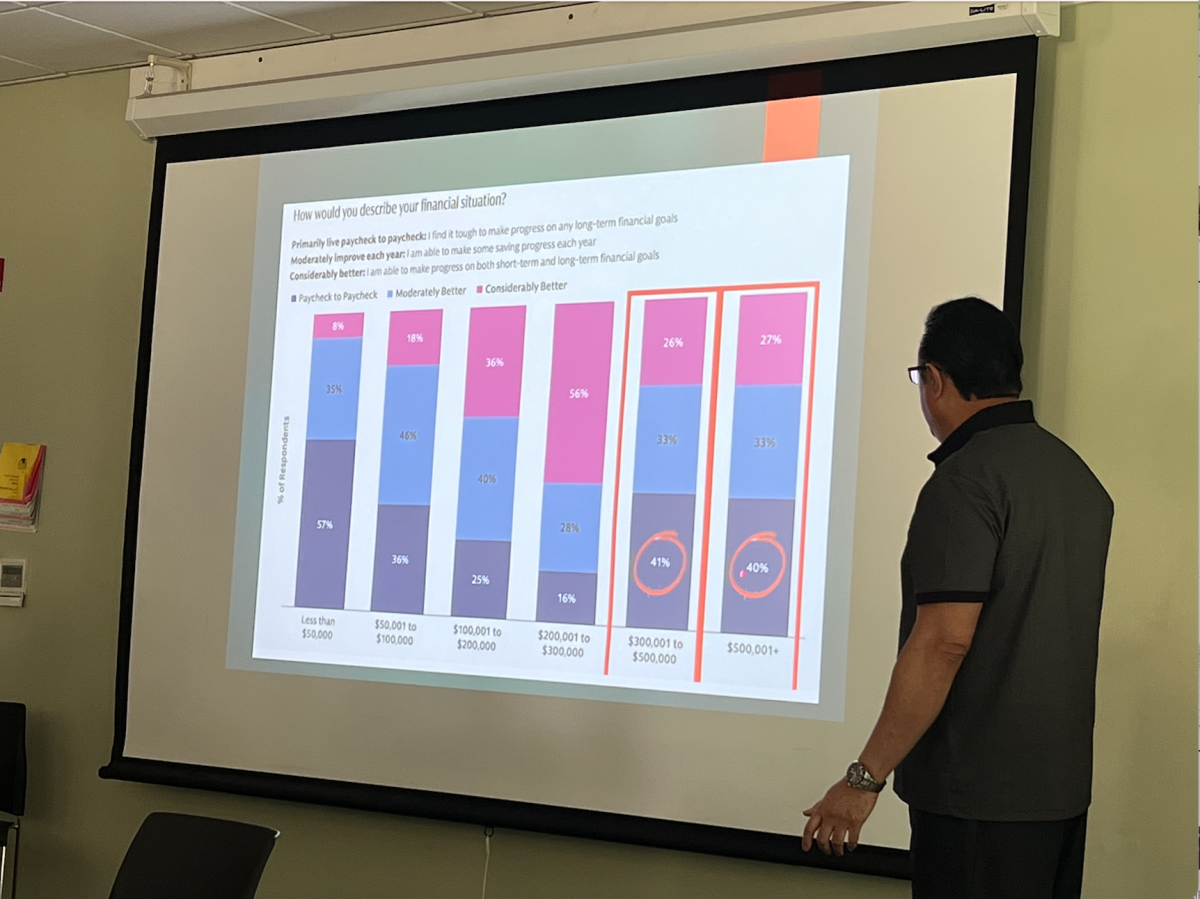
Lamba explained, “a lot of people focus on how much they can earn, and earning is great. But if you spend everything you earn, it doesn’t really matter? And you’ll be surprised at how many of us in the United States live paycheck to paycheck, regardless of income.” “A lot of people focus on, ‘this is what I made, and these are my expenses. Oh, I have more money left over. I can buy more stuff.’ And I will tell you that the world around you is designed to separate you from your money.” he added.
Refraining to buy more material items is one part of Lamba’s equation. The second part is just as important.
According to Lamba, “the goal is to shift, or keep both together active and passive income. What’s passive income? We know what active income is. Actively working for your money. What’s passive income?”
A crowd member shouts “invest.”
To Lamba, building passive income is creating an added paycheck for yourself.
“Ideally, you always want to pay yourself, because if you never do this, then it’s just money coming in, money going out. Then you’re back to zero every single month. You need to build up a savings and emergency fund, and you need to invest.”
Investing may seem intimidating to some, yet Lamba’s wisdom helps ease anxiety.
“[The] earlier you start, the better off you are,” he says. “Investing is not based on people’s financial prowess and financial genius. It’s more psychological. It’s more having the stomach and the discipline to let it ride. You don’t invest if you need money in 6 months.”
A simple way to look at it is that the money you are using to pay off your monthly debt could be money used to invest. In time that investment compounds exponentially. So, the longer you stay invested, the greater return you will have.
Lamba emphasizes, “ideally, you want to get out of debt as quickly as possible. But the earlier you can start to invest, the better it is. It’s more a sense of discipline and patience. Saying, ‘you know, I’m not [going to] need this money for 20 years or 30 years or 40 years.’ The balance growth over the first twelve, fourteen, fifteen years [is] not that much. But what happens in the last 10 years, then it skyrockets.”