











When Early College started in 2014, it followed a different model than its predecessors. School districts like Vacaville Unified School District allowed students to take college courses while having their main high school course load be on Will C. Wood campus. Early College broke the mold and had its students be on a college campus full time.
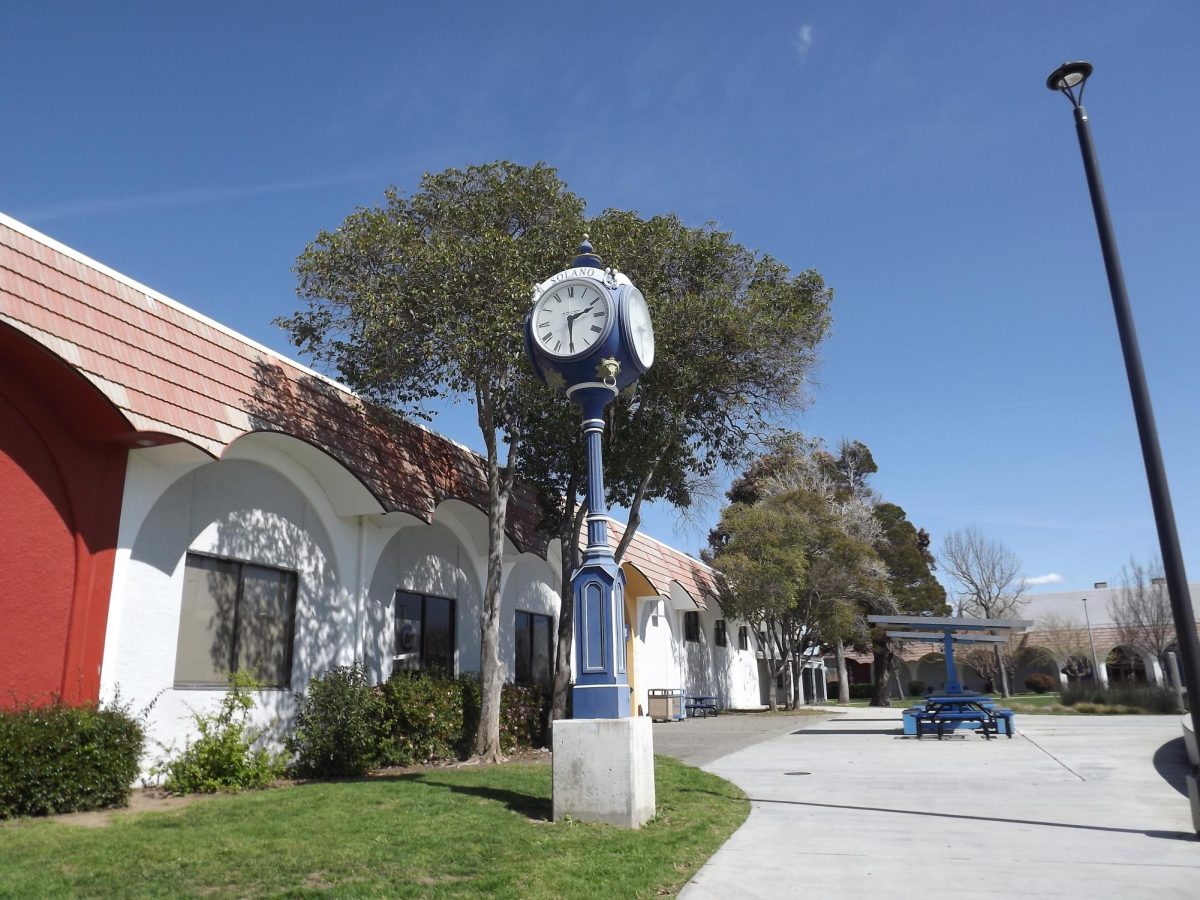
In its beginning years, Early College had a different setup at Solano Community College. The first graduating class of 44 freshmen remained on campus all day, attending high school and college classes alike. Inversely, the main four Early College teachers drove between Rodriguez High School and the SCC main campus, teaching at both schools.
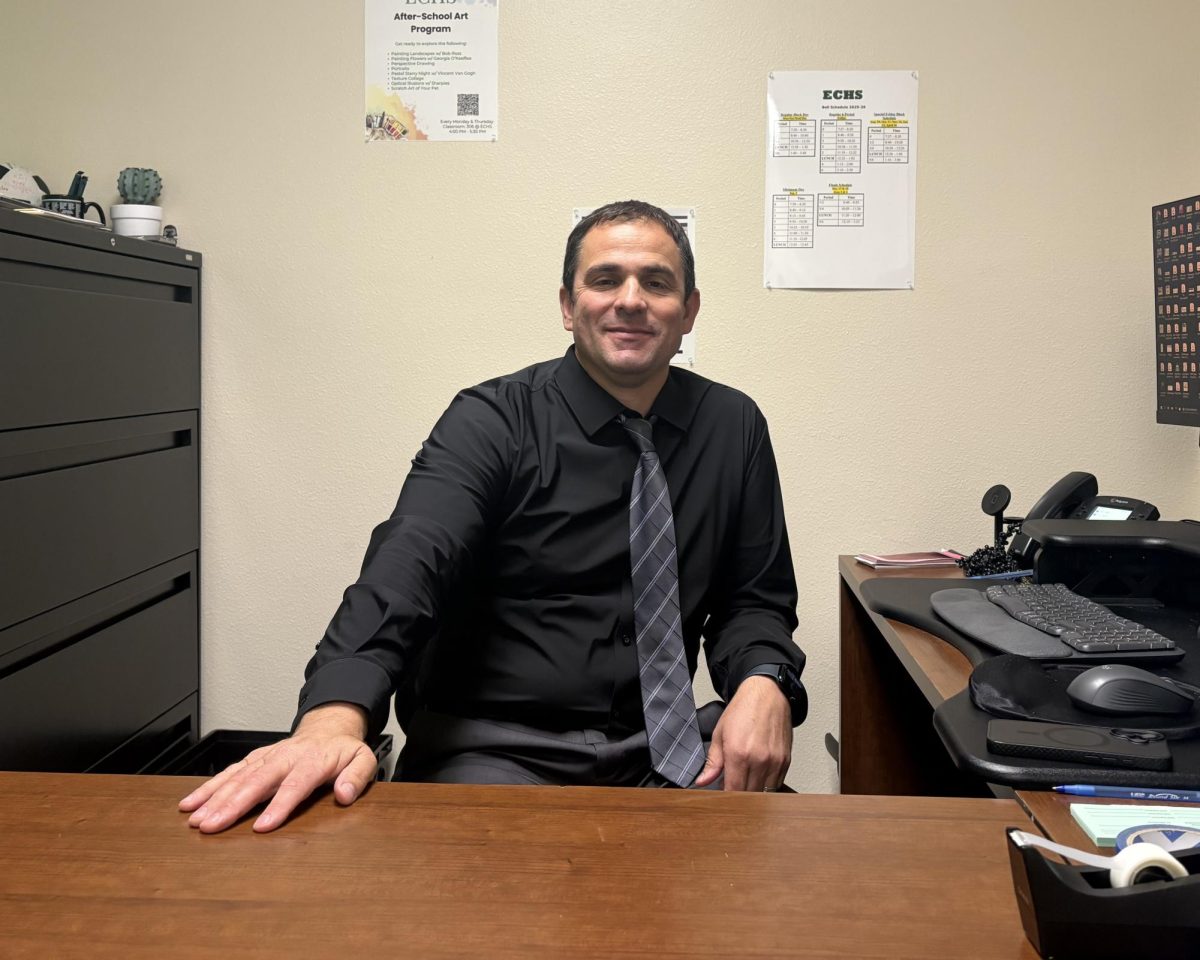
The current principal of ECHS, John Pizzo, was in a similar position to the teachers. “There was just different assistant principals helping around the program. There was no principal, we responded to needs, but we worked at Rodriguez,” said Pizzo.
The unorthodox nature of Early College was remedied during its third year. The main four teachers stayed on SCC Campus full time, and Pizzo followed suit the next year. Since then, ECHS has grown exponentially.
“We kept it at about 45 students each grade level, and then I expanded it to 60 students at each grade level. And then after COVID, we talked with the college and worked on an agreement to have up to 100 students in each grade level,” Pizzo stated. 400 high school students seems to be the most that both SCC and ECHS are comfortable with. Growth is desired but space is a luxury.
As ECHS grows more comfortable on campus, some main concerns about the beginning of the program have been pacified. Pizzo brings up concerns with how the adult students might act towards the younger high schoolers and how they behave on campus, but ensures that there have never been any major issues.
“Students report that they feel safe,” Pizzo stated. He continues, “They feel this is such a safe and supportive environment.”
Pizzo puts great emphasis on student safety and success, and he reports that there have been few problems with both elements.
“There’s so many things that we get that are benefits that outweigh the few things … we don’t have.” Pizzo states.
He adds, “Here we can help students be successful with college classes by taking them as support, and might not have been successful without us, so that’s kind of a vision of bringing this to more students. … We can build [all students] up and have them become successful through our program”