



















Note: The Wavy-Leafed Soap Plant was an important tool to the Patwin nation. Because it is mostly found in Rockville and the Patwino Worrtla Kodoi Dihi Open Space Park, it is advised NOT to harvest from there.
Now before we begin, let’s make some things clear. No self-respecting Bay Area baddie would dare eat something like fish ‘n’ chips, however Mother Nature’s the original hot girl so she gets a pass. “But wait,” you might be saying, “why bring up fish ‘n’ chips in the first place? What do potatoes and seafood have to do with California’s native ecosystem and some weed called a soap plant?” Well, let’s find out together, hotties.
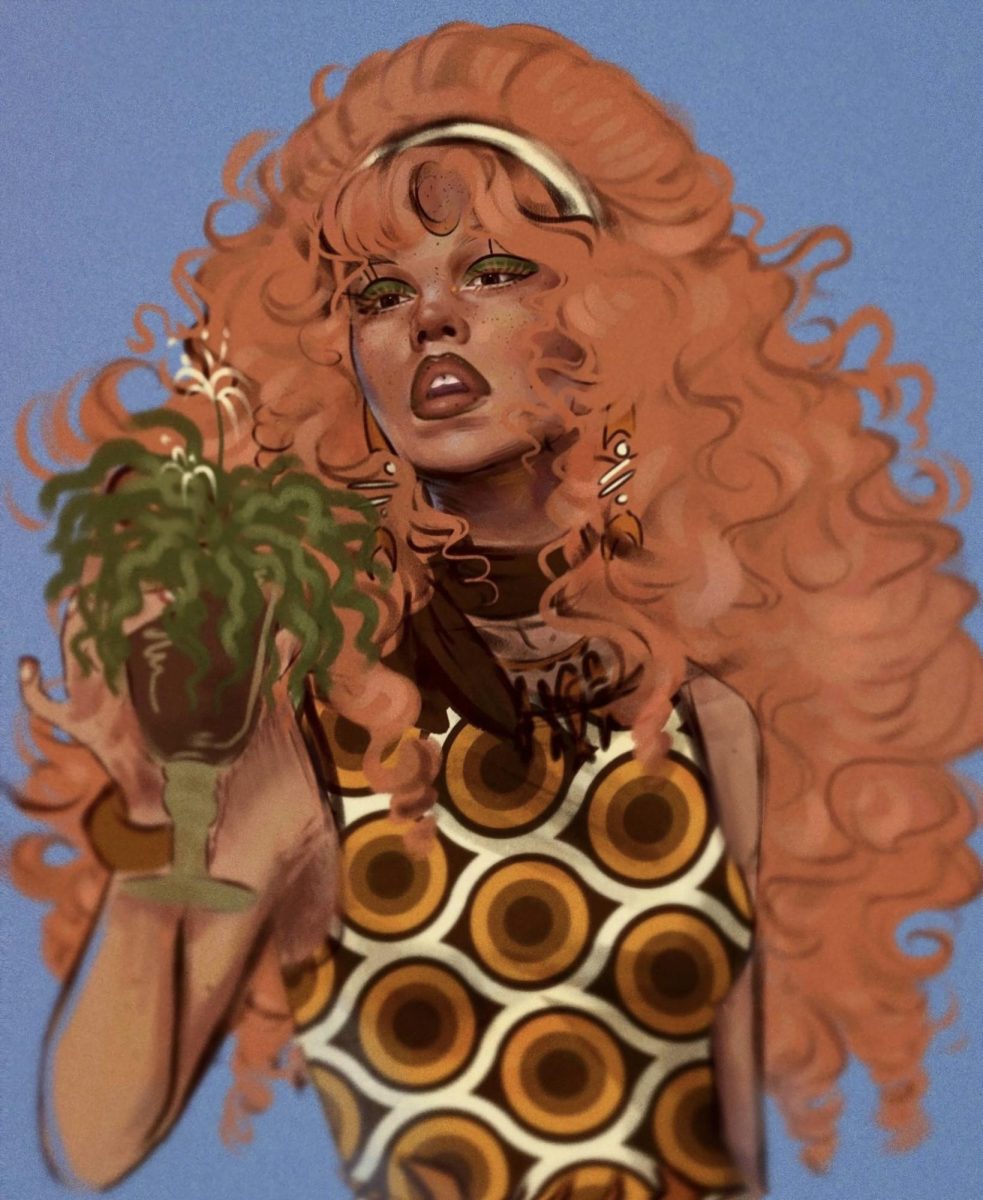
Lying inconspicuously between the crevices of Rockville’s (appropriately named) Devil’s Backbone, you’ll find a rosetted plant with a head of doll-like curls known as the Wavy-Leafed Soap Plant– or Amole, or even Tihtu, depending on where you’re from. The official name is Chlorogalum Pomeridianum and they’re classified under the Asparagaceae family. Interestingly enough, the Wavy-Leafed Soap Plant also falls under the genus that belongs to yuccas, agave, and Joshua trees. And yet, it’s also also referred to as a monocot, tying it to the same clade as orchids and lilies!
Under the soil you’ll find a bulb that the Miwok and Patwin people used as a winter food. This bulb was said by Donner Party settlers to resemble wild onions but taste like sweet potatoes, explaining the first part of our theoretical East Coast cuisine. The second part comes from pure resourcefulness, using all parts of the plant to the indigenous advantage. Mushing down the bulb, you’d find a sudsy mixture full of saponins.
The saponins, organic soap-like chemicals with a bitter taste, are toxic, and were often used to make soap lather or a poison for fish. Creeks or little rivers would be temporarily dammed off to let this mixture flow, and it would end up messing with the oxygen in a fish’s gills. And then you’d collect them and eat! The saponins didn’t even affect the Patwin like it did the aquatic life, meaning fish ‘n’ chips were totally on the menu! (Not really.)
While I could’ve led on about the Wavy-Leafed Soap Plant’s natural properties involving soap, the plant is so diverse in its usage that a full rundown needed to be said! Soap, glue, poison, roasted bulbs, laxatives; the soaproot is a multifaceted baddie hiding in plain sight (Also in woodlands and chaparrals). So often do we ignore plants and animals with excuses claiming they hold no purpose to the modern day human experience, but the reality is that everything is of use to us and everything holds importance in the world. Like— children love dandelions for their fuzzy yellow blooms, yet we disregard the entire plant as simply a weed. Something derogatory with little to no meaning to us.
The Wavy-Leafed Soap Plant blooms between the sunset hours in May and August, and with that comes bees to pollinate. Even when it’s not in season, wild pigs, California ground squirrels, and even our native deer populations will consume the roots of the Amole, because the plant is sustenance and gives its life to those who need it. We as humans should strive to provide ourselves not just to each other, not just to indigenous populations or to our local wildlife, but to everyone and everything. Our conservation efforts, our passions and love for the Bay Area are what make us true hotties because we show up for our environment and we learn to love our wildlife, regardless of how ‘insignificant’ it may seem.
Today, as I was leaving my house in Vallejo, I spotted a Wavy-Leafed Soap Plant, thin stalk with closed white petals just waiting for the right time to bloom. Though it sat nestled between the sidewalk and some wild grass, it brightened my day to see nature persevere and continue to work with the cogs that chug along our ecosystem.